
(SUPERFOODS) Asparagus quinoa craving
Crisp asparagus, quinoa and walnuts in a salad you'll actually crave — and that's good for you too, according to Dr. Ixchel Corcuera.
GYM
Dr. Ixchel Corcuera
6/25/20263 min read
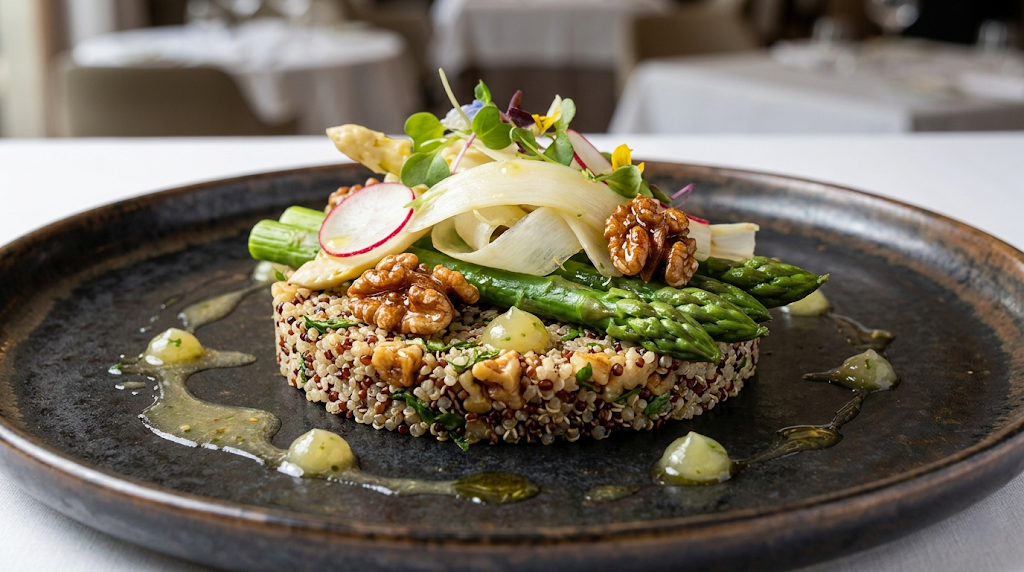
Asparagus and quinoa salad: appetizing, and for good reason
There are dishes I recommend in my practice because they're healthy, and others I recommend because I genuinely want to eat them too. This salad belongs to the second group. Green asparagus, just sautéed, still slightly crisp at the tip and tender along the stalk; quinoa providing a nutty base note; walnuts breaking up the texture with every bite; feta that melts in your mouth with its salty edge; and a lemon vinaigrette that lifts the whole dish with a fresh, sharp note. It's the kind of plate that works as a light spring lunch or a quick dinner after training.
And yes, it turns out every ingredient is there for more than just flavor.
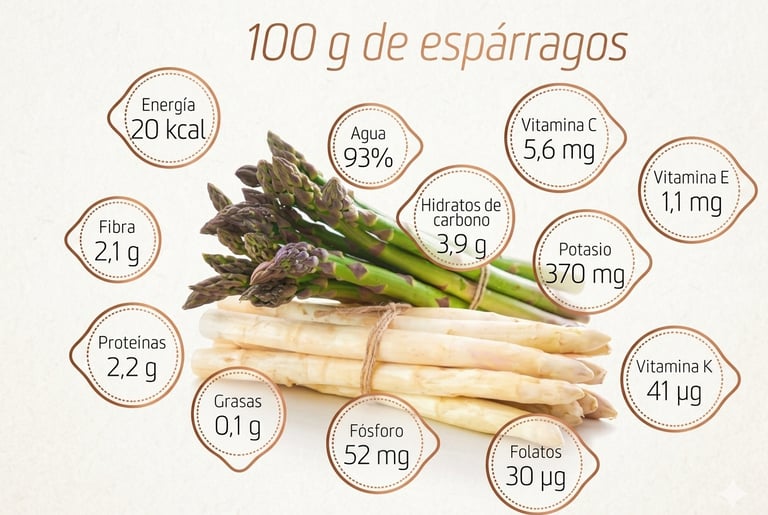
Asparagus isn't just the visual star of the plate. It provides a meaningful amount of folate, which matters if you're trying to conceive or are in the early weeks of pregnancy. Its fiber, along with the inulin it contains, helps support a healthy gut microbiota, and its antioxidants — flavonoids, vitamin C — help reduce the cellular wear that comes with aging. All of this while still being, simply, delicious: lightly sweet, with that fresh vegetal note it only has in spring.
Quinoa isn't a trend fad. It's one of the few plant-based foods with complete protein, which makes it especially useful if you train and want to maintain muscle mass without relying solely on meat. Its fiber helps the dish's energy release more steadily, instead of sugar spikes followed by a crash.
Walnuts bring the crunch every salad needs to avoid being boring, and along with it, omega-3 fats with an anti-inflammatory effect. Feta adds creaminess, flavor and a good dose of calcium and protein. And the lemon with the olive oil don't just add freshness: that fat helps the body absorb vitamin E and the fat-soluble antioxidants in the asparagus more effectively.
How to make it
Cook the quinoa according to the package instructions and let it cool slightly. Meanwhile, trim the tough base off the asparagus and sauté it in a pan with a little oil for 3 to 4 minutes, until tender but still with some bite. In a large bowl, combine the quinoa, the chopped asparagus, the crumbled feta and the chopped walnuts. Whisk the juice of half a lemon with two tablespoons of extra virgin olive oil, salt and pepper to make the vinaigrette, dress the salad and finish with a few fresh mint leaves if you like. It can be eaten warm right away or cold the next day, and it holds up perfectly to bring to work.
Per person, this salad provides around 583 kcal, with a good balance of fiber, healthy fats and plant and dairy protein. You'll find the full ingredient and calorie breakdown in the downloadable table.
Two things worth knowing before eating it often
Asparagus provides a meaningful amount of vitamin K. If you take vitamin K antagonist oral anticoagulants such as warfarin, there's no need to cut it from your diet, but it's worth keeping your intake regular and consistent, rather than eating it several days in a row and then not at all for weeks. It's the sudden changes that can throw off your INR, not the food itself.
It's also rich in potassium, which is generally good for blood pressure, but if you take ACE inhibitors, ARBs or potassium-sparing diuretics such as spironolactone, it's worth not overdoing large, frequent portions. If in doubt, check with whoever manages your treatment.
Outside of these two cases, there's no reason not to enjoy it whenever asparagus is in season. It's one of those dishes where what you feel like eating and what's actually good for you happen to line up.
Dr. Ixchel Corcuera Family and Emergency Medicine
contact@horizontegear.com
© 2026 HORIZONTE by Lezoconcept. All rights reserved.. License N0459290/M4370593 Spain