
What functional training is and why it should matter to you
GYM
Dr. Ixchel Corcuera — Family and Emergency Medicine
7/12/20265 min read
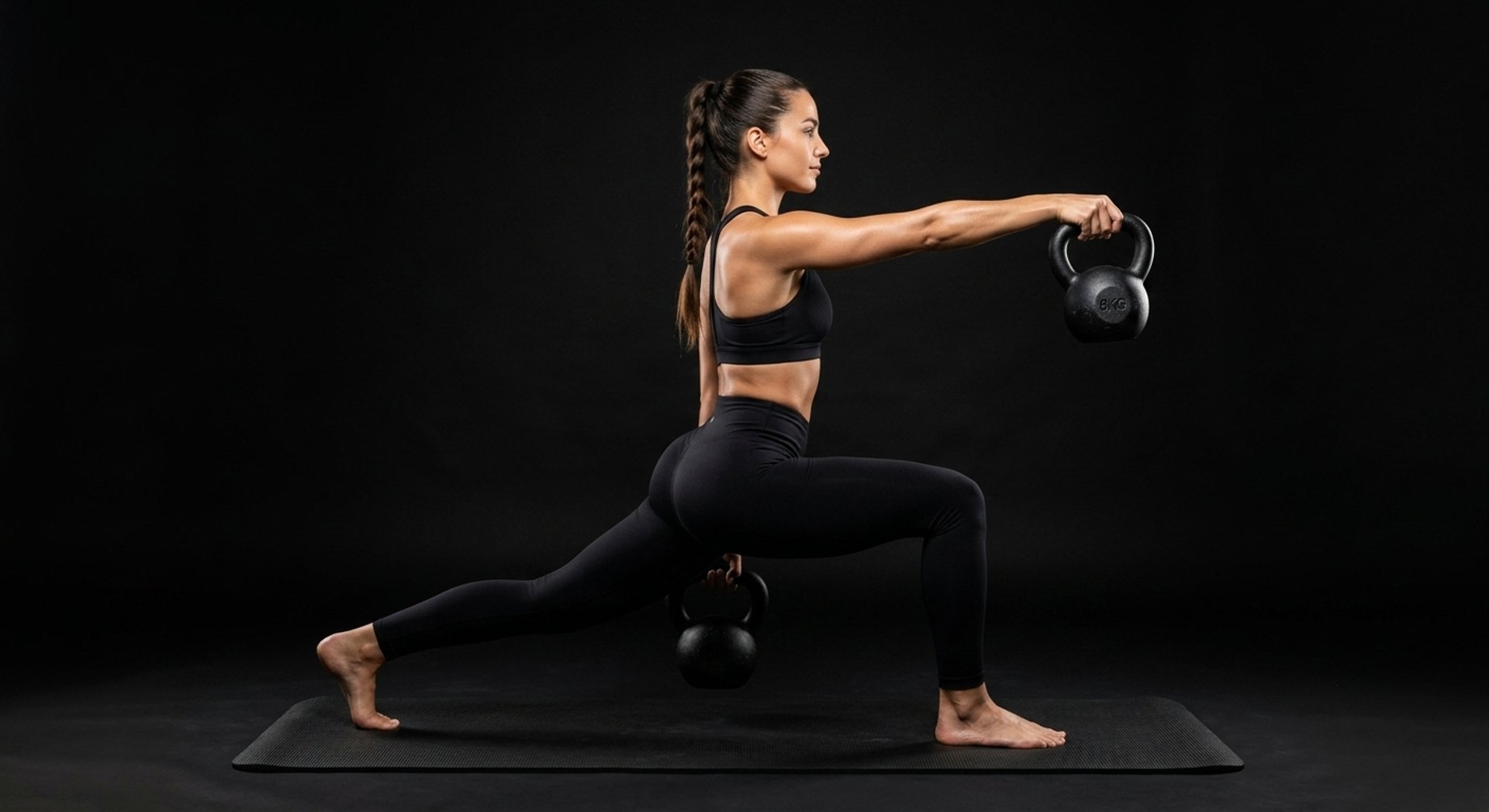
In my practice I see two types of injuries very frequently. The first are those that happen during exercise. The second, far more common than people think, are those that happen doing everyday things: bending down to pick something up off the floor, carrying the shopping, lifting a grandchild, turning sharply. And there's a direct relationship between the two: most everyday injuries happen to people whose bodies aren't prepared for everyday movements.
That's where functional training comes in. It's one of those terms that has become fashionable and, through overuse, has lost part of its meaning. But behind the label there's a medically sound concept, highly relevant to health at any age. Let's explain what it really is, how it differs from traditional training, and what real benefits it has, beyond the marketing.
What functional training really is
Functional training is, in short, training that prepares the body to move better in real life. Instead of working muscles in isolation, it trains complete movement patterns: pushing, pulling, lifting from the floor, rotating, carrying, moving around. The same gestures we make, or should be able to make without pain, every day.
The difference from traditional machine-based training is important. A gym machine usually isolates a muscle and guides the movement along a fixed path. That has its uses, but it doesn't resemble how the body moves in the real world, where no movement is isolated or guided. When you lift a box off the floor, you don't just work the biceps: you coordinate legs, hips, core, back and arms in a chain, and you need stability and balance at the same time.
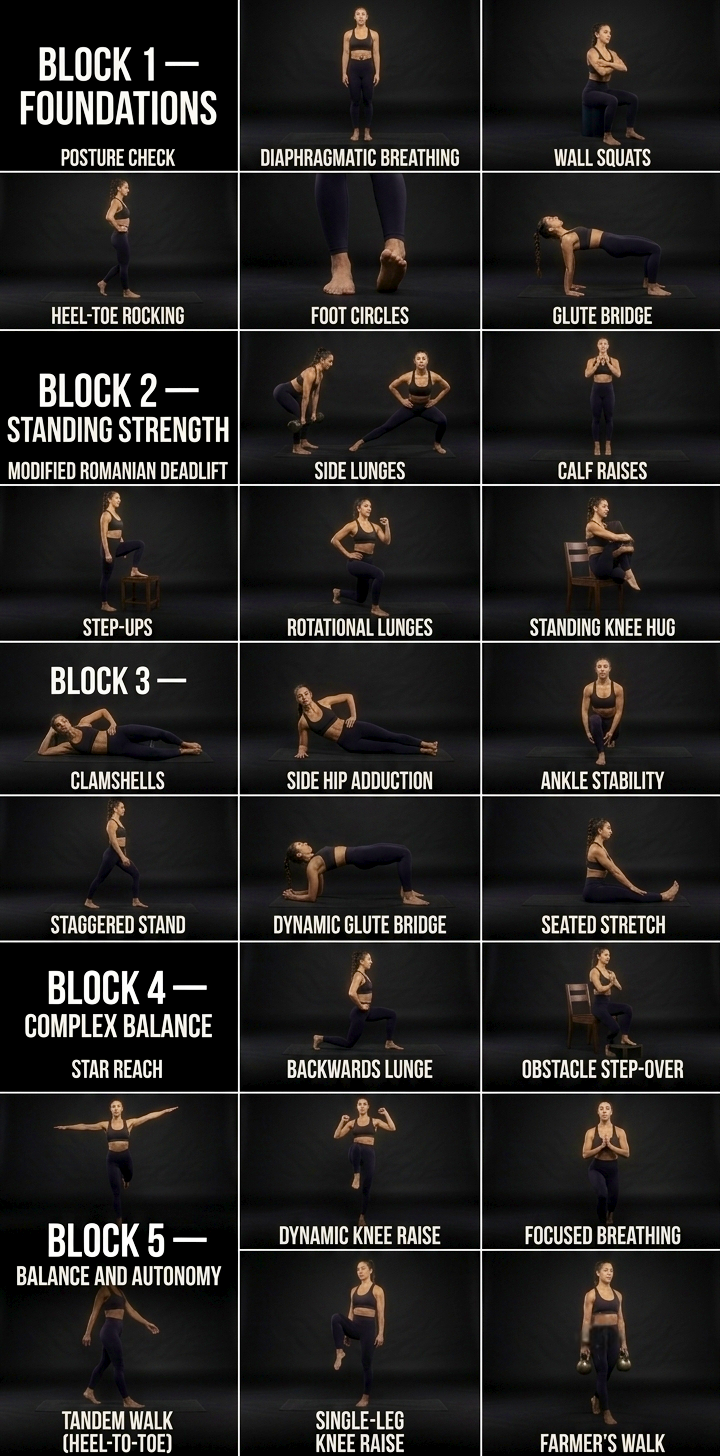
Functional training reproduces precisely that: multi-joint movements, involving several joints and muscle groups at once, with a strong component of core stabilisation and coordination. Squats, deadlifts, lunges, presses, pull-ups, carries, controlled rotations. Exercises that teach the body to work as the unit it is.
It's worth clearing up a common misunderstanding: functional training isn't synonymous with strange, unstable or acrobatic exercises. Doing squats on an unstable surface while juggling isn't more functional, it's usually just riskier. What's functional is what transfers to your life, and for most people that means basic movements executed well, not circus tricks.
The real benefits, from a medical point of view
This is where functional training stops being a fashionable label and becomes something that, as a doctor, I recommend with conviction.
It prevents everyday injuries. This is, for me, the most important and least appreciated benefit. By strengthening real movement patterns and, above all, the stabilising musculature of the core and hips, the body copes far better with the everyday gestures that cause most of the lower-back pain and back injuries I see in the emergency department. A strong core and hips are the best insurance against the classic "I bent down to pick something up and got stuck".
It improves balance and prevents falls. This is crucial, especially past a certain age. Falls are one of the main causes of fracture and loss of autonomy in older people, and many are due to deteriorated balance and weak musculature. Functional training, which constantly works stability and proprioception (the perception of where the body is in space), is one of the most effective tools for preventing those falls.
It strengthens the core usefully. The core isn't just the six-pack. It's the whole cylinder of muscles surrounding and stabilising the spine. A functional core protects the back, improves posture and is the base through which all the body's force is transmitted. Functional training works it in an integrated way in almost all its exercises, not as an isolated ab session.
It maintains autonomy with age. Being able to get up from a chair unaided, climb stairs, carry weight, bend down and stand back up. These capabilities, which we take for granted when young, are exactly what determines quality of life in old age. Functional training works directly on them, and is one of the best long-term health investments there is.
It's efficient. By working several muscle groups and capabilities at once (strength, balance, coordination, mobility), functional training makes excellent use of time. For those with a tight schedule, getting so many benefits from each session is no small advantage.
It improves posture and counters a sedentary lifestyle. Many of the postural problems I see originate in spending hours seated in the same position. Functional training, by strengthening the posterior chain and the stabilising musculature, helps counteract those effects and maintain a healthier posture.
Who functional training is for
The honest answer is: practically everyone, precisely because its goal is to improve movements we all make.
It's especially valuable for older people, for everything said about balance, falls and autonomy. Adapted to each level, it's one of the best ways to age healthily.
It's ideal for anyone who spends many hours seated, because it directly counteracts the effects of a sedentary lifestyle on posture and musculature.
It's very useful as a complement for athletes, because it improves force transfer and reduces injury risk.
And it's an excellent starting point for anyone returning to training after a long break or after an injury, always with appropriate progression and, if there's a relevant previous injury, with professional guidance.
Some sensible precautions
As with any type of exercise, functional training should be done with a clear head.
Technique comes first. Multi-joint movements have many benefits precisely because they're complex, but that same complexity means poor execution can cause problems. Learning the basic patterns properly, ideally with supervision at first, is an investment that prevents trouble.
Progression should be gradual. Starting with your own bodyweight and simple movements, and adding load or complexity little by little, is always smarter than chasing intensity from day one.
If you have an injury, a cardiovascular condition or any relevant health problem, check before starting. Not so you'll be told you can't, but so the training can be adapted to your specific situation. There's almost always a version of functional training suitable for each person, but it needs to be designed properly.
To finish
Functional training isn't a passing fad or a marketing label, even if it's sometimes used as one. It's an approach to exercise that puts the focus where it genuinely matters for health: on the ability to move well, without pain and with autonomy, throughout your life.
Of all types of exercise, it's probably the one that best answers a simple but fundamental question: what am I training for? If the answer includes living better, moving without fear of injury and reaching old age keeping your independence, functional training deserves a place in your routine. Not to look better in the mirror, though it helps with that too, but so your body remains capable of doing everything life asks of it.
As always, adapt exercise to your situation and, for any health concern, check your specific case. But don't underestimate the value of training, quite simply, to move better.
Dr. Ixchel Corcuera
Family and Emergency Medicine
You didn’t come this far to stop
contact@horizontegear.com
© 2026 HORIZONTE by Lezoconcept. All rights reserved.. License N0459290/M4370593 Spain